Digital Culture: The Style Shift in Wearable Technology
There was a time when wearable technology prioritized function over appearance. Early smartwatches focused on notifications, fitness tracking, and convenience, but many looked more like miniature computers than everyday accessories. They were often bulky, overly technical, and designed primarily for utility. People bought them because they were useful, not because they were stylish.
That relationship has changed dramatically. Today's wearable technology exists at the intersection of innovation and personal expression. Smartwatches are no longer judged solely by battery life, health tracking features, or connectivity. Increasingly, they are being evaluated the same way people evaluate clothing, shoes, eyewear, and traditional watches. Consumers want devices that not only perform well but also reflect their personality, lifestyle, and sense of style.
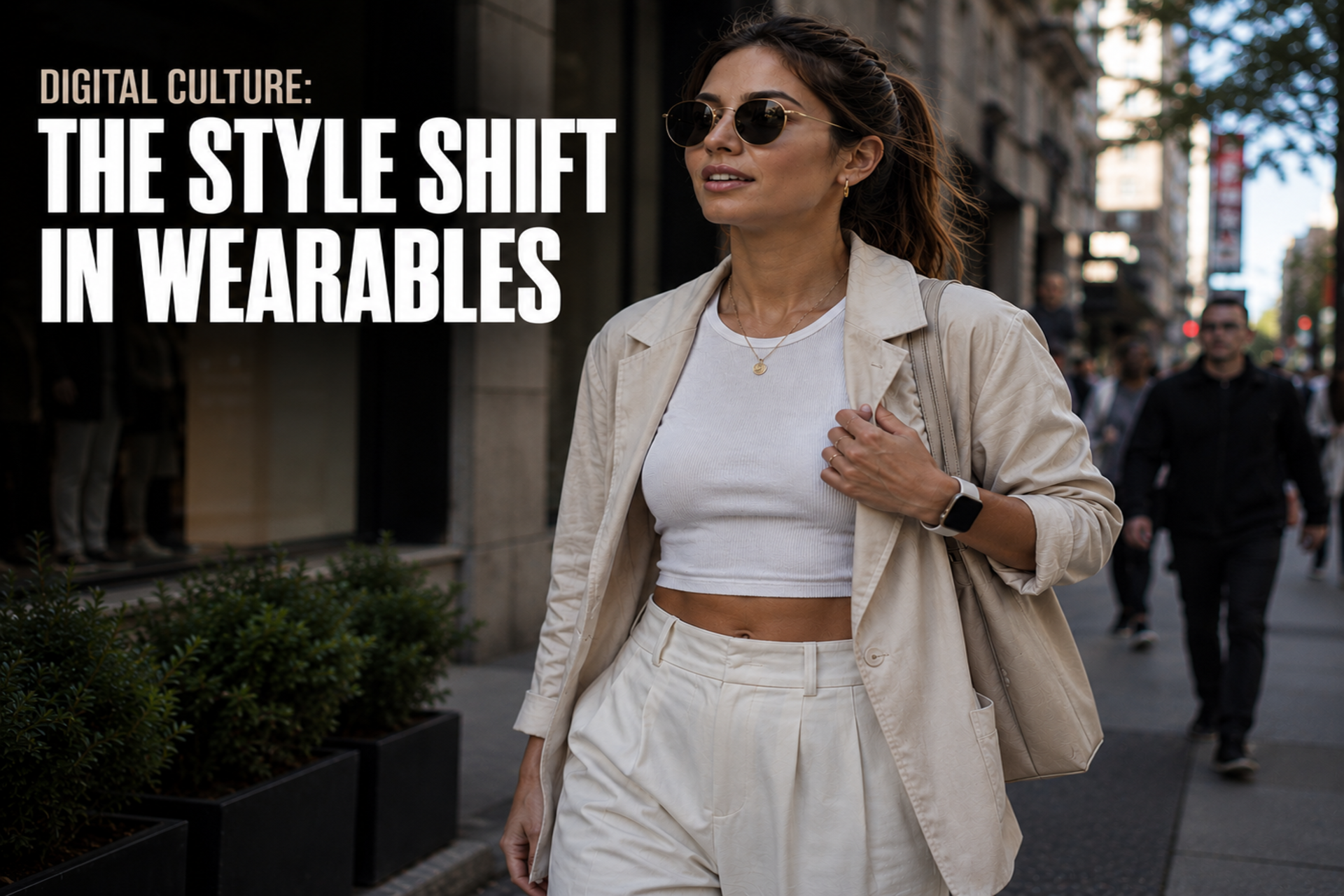
Walk through a major city, an airport terminal, a university campus, or a busy downtown district and the change becomes obvious. Smartwatches are no longer viewed as niche technology products. They have become part of everyday life. Like wireless earbuds and modern eyewear, wearable devices are blending into personal style while remaining connected to the digital world.
Technology is no longer something people simply carry. It has become something people wear.
From Function to Fashion
The first generation of smartwatches introduced consumers to the idea of wearable technology, but adoption was often driven by curiosity rather than personal preference. Many devices felt experimental. Their designs emphasized screens, sensors, and technical capabilities while paying less attention to comfort and appearance.
Early wearable devices often appealed to technology enthusiasts who were willing to overlook awkward designs in exchange for new features. The focus was on innovation rather than aesthetics. Manufacturers competed by adding capabilities, increasing functionality, and introducing new software experiences. Design frequently took a back seat to technology.
As wearable technology matured, consumer expectations evolved. People wanted devices that felt natural throughout the day. They wanted products that could transition seamlessly between work, travel, exercise, and social settings without feeling out of place. Manufacturers quickly realized that technology alone was not enough. To become part of everyday life, wearable devices needed to become part of everyday style.
The result has been a significant transformation in how smartwatches are designed, marketed, and experienced. Premium materials, customizable bands, refined finishes, and modern styling have become just as important as processing power and battery life. The smartwatch is no longer simply a gadget. It has become an accessory.
This shift mirrors what has happened throughout consumer technology. Products that once existed purely for utility increasingly compete on design, user experience, and emotional connection. Consumers are looking for products they enjoy using, not simply products that perform a task.
Why People Wear Technology Differently Today
People interact with wearable technology differently than they interact with most other devices. Smartphones spend much of their time in pockets, bags, or on desks. Smartwatches remain visible throughout the day. Because they are constantly on display, appearance matters.
Consumers increasingly expect technology to complement their lifestyle rather than interrupt it. They want devices that look appropriate in professional environments, casual settings, outdoor adventures, and social gatherings. This expectation has pushed technology companies to think beyond functionality and invest heavily in design.
Wearable technology now occupies a unique position between innovation and personal identity. The products people choose often communicate preferences, interests, and lifestyle choices. Technology has become part of self-expression in a way that would have seemed unusual just a decade ago.
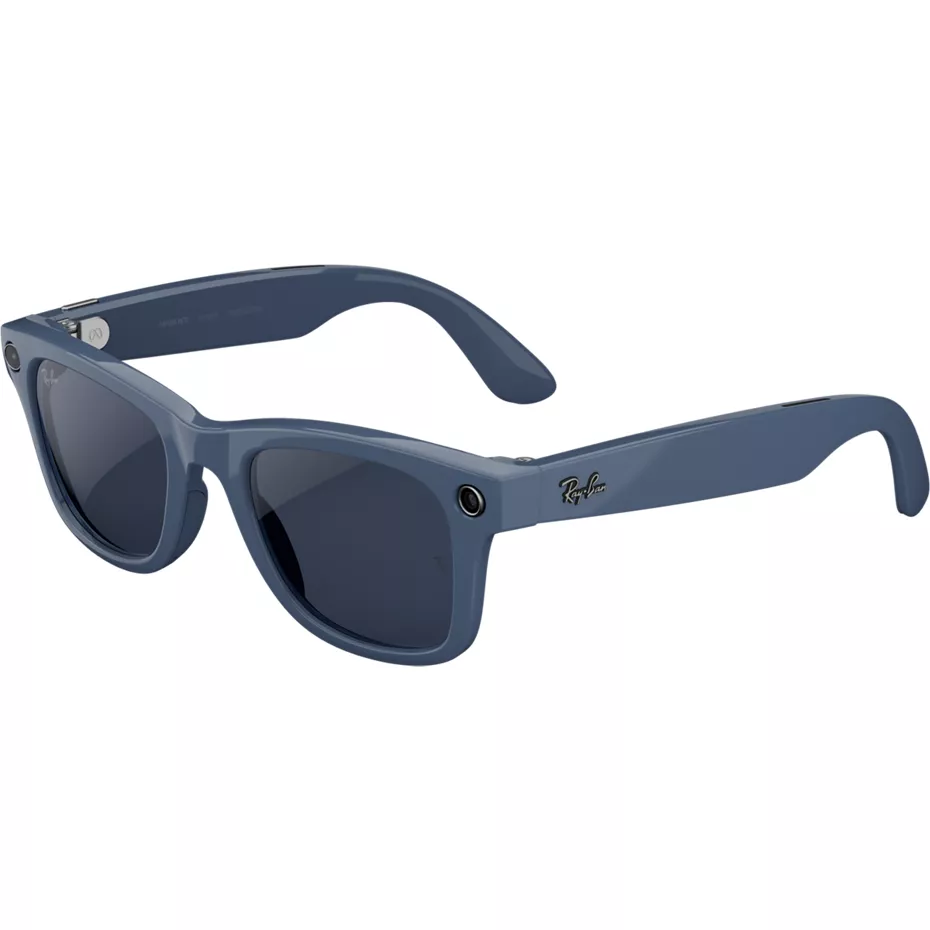
The same trend is visible across other categories. Smart glasses are becoming more fashionable. Wireless earbuds are designed to blend into personal style. Even connected fitness products now place greater emphasis on appearance and comfort. Consumers increasingly expect technology to fit naturally into their lives rather than demand attention.
This shift reflects a larger cultural movement toward personalization. Modern consumers are surrounded by technology throughout the day. As devices become more integrated into everyday routines, people naturally become more selective about the products they choose to wear and display.
Technology is becoming personal.
The Apple Watch Ultra 2 and Modern Wearable Design
One example of this shift is the Apple Watch Ultra 2 49mm Titanium Case Green/Gray Trail Loop. While the device includes advanced features such as health monitoring, navigation tools, extended battery life, Precision Finding, and enhanced connectivity, its appeal extends beyond functionality.
The titanium construction, rugged design, and premium materials help position the device as both a capable piece of technology and a stylish everyday accessory. It is designed for endurance athletes, outdoor enthusiasts, travelers, and professionals who want performance without sacrificing appearance.
Unlike early wearable devices that often felt experimental, modern products like the Apple Watch Ultra 2 are designed with long-term daily use in mind. Durability, comfort, and visual appeal have become central parts of the experience. The device is intended to function equally well during workouts, business meetings, travel, and everyday life.
Battery life has also become increasingly important as wearable technology takes on a larger role in daily routines. Consumers expect connected devices to remain available throughout the day without constant charging. Long battery performance helps transform a smartwatch from an occasional accessory into a dependable companion.
Products like the Apple Watch Ultra 2 demonstrate how consumer expectations have changed. People no longer want to choose between style and technology. They increasingly expect both. Wearable devices are becoming more sophisticated while also becoming more visually appealing, helping them fit naturally into daily life.
The Future of Wearable Style
As technology becomes more integrated into everyday routines, the line between consumer electronics and personal accessories will continue to blur. Smartwatches, smart glasses, connected wearables, and future AI-powered devices will likely place even greater emphasis on personalization, comfort, and appearance.
The next generation of wearable technology may not be defined solely by faster processors or additional features. It may be defined by how naturally technology fits into the lives of the people using it. Consumers are becoming more selective about the products they wear, and design will continue influencing purchasing decisions alongside performance.
Artificial intelligence is likely to play a significant role in this evolution. Wearable devices are becoming smarter, more responsive, and more capable of delivering useful information at the right moment. Instead of requiring constant interaction, future devices may focus on reducing distractions while remaining available when needed.
Smart glasses represent one example of this trend. Companies are increasingly exploring wearable devices that combine connectivity, artificial intelligence, and everyday practicality. The goal is not to overwhelm users with technology but to integrate digital experiences more naturally into daily life.
Technology is becoming less about standing out and more about fitting in. The most successful wearable devices are often the ones people forget they are wearing until they need them.
A New Chapter in Digital Culture
The evolution of the smartwatch reflects a larger shift happening across digital culture. Consumers no longer separate technology from lifestyle in the way they once did. Devices are becoming part of daily identity, personal expression, and modern culture.
What began as a practical tool for notifications and fitness tracking has evolved into something much broader. Smartwatches now occupy a space between technology, design, and personal style. The most successful wearable devices are no longer the ones that look like gadgets.
They are the ones people genuinely want to wear.
As wearable technology continues evolving, the conversation will likely become less about specifications and more about experience. Consumers will continue seeking products that fit naturally into their routines while reflecting their preferences and lifestyles. The future of wearable technology will not be defined solely by innovation. It will be defined by how seamlessly innovation becomes part of everyday life.
The style shift in wearable technology is already happening. What was once viewed as a category of gadgets is becoming a category of personal accessories. That transformation may ultimately be one of the most important developments in modern digital culture.
Continue Exploring PictureThisInk®
How Smart Glasses Are Changing the Way We Interact With Technology
Connected Living: The Smart Home Devices Defining Everyday Life in 2026
About PictureThisInk®
PictureThisInk® is an independent digital media publication covering technology, artificial intelligence, innovation, cybersecurity, digital culture, consumer technology, business technology, and emerging trends. Through original reporting and editorial analysis, PictureThisInk® explores the ideas, technologies, and opportunities shaping the future of modern life.